




Mold inspection in Riverside
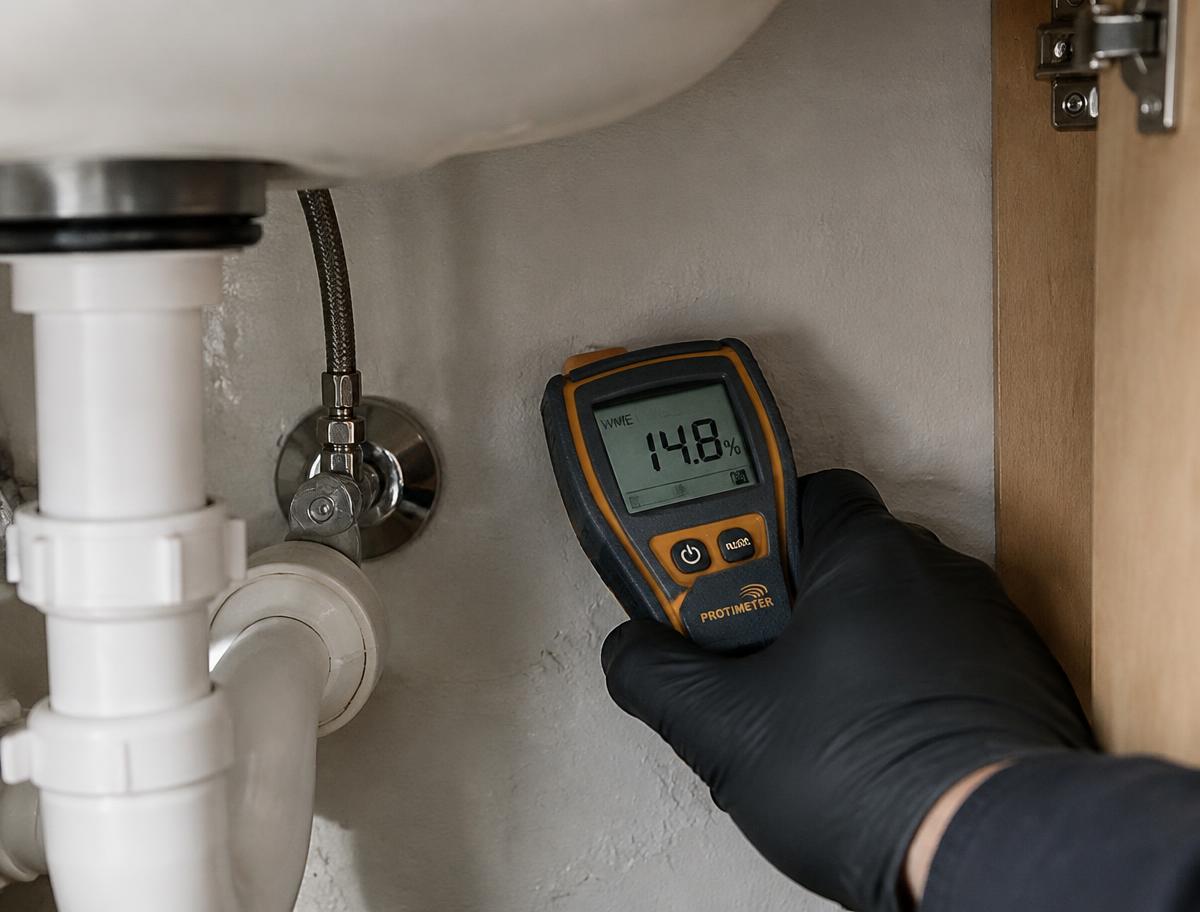
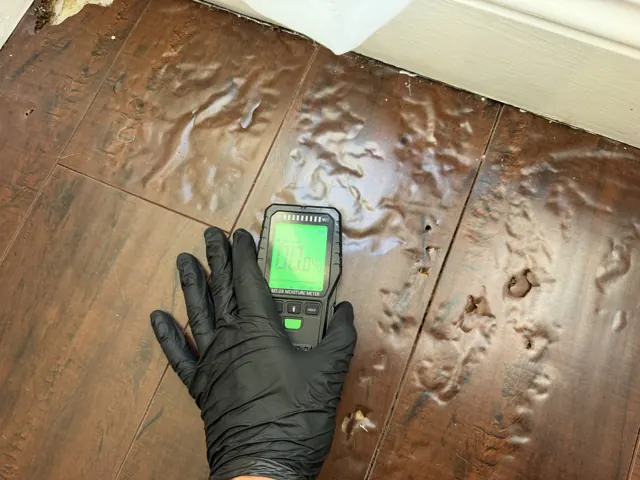
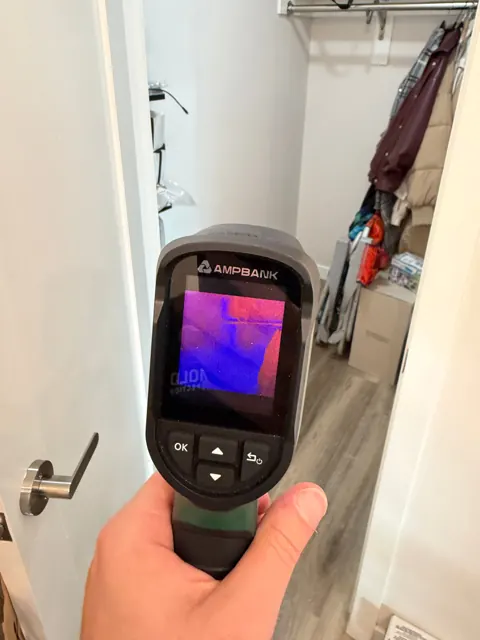
Long cooling seasons mean Riverside air handlers, ducts, and condensate drains work hard. We check for sweating ducts, clogged drain lines, and leaks around the water heater. Exterior walls next to sprinklers are another place we look, since irrigation overspray can soak stucco and framing. How our mold inspections work.
Mold testing in Riverside
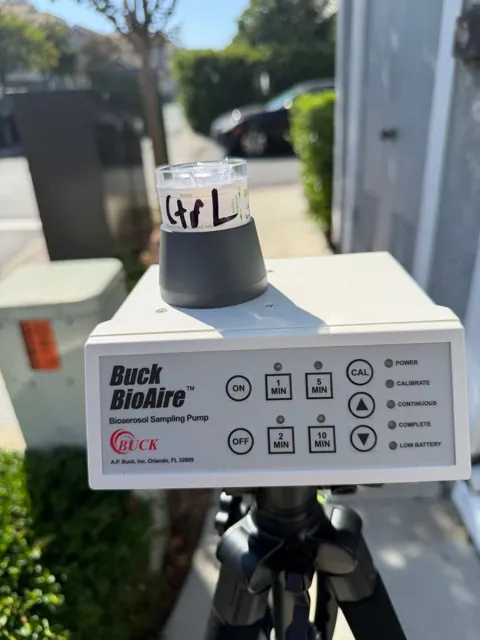
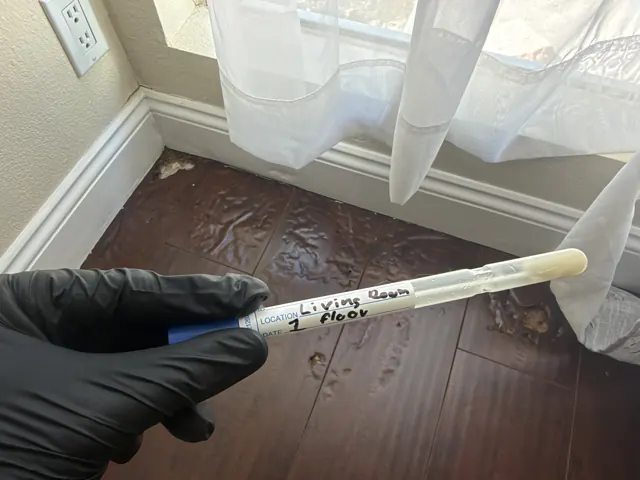
Because outdoor spore counts in dry inland areas are often lower than at the coast, an indoor source can stand out clearly in air sample results. Surface samples help confirm what's growing near a leak. See our Riverside mold testing overview (air and surface sampling) and post-remediation clearance testing.
Local conditions that affect mold in Riverside
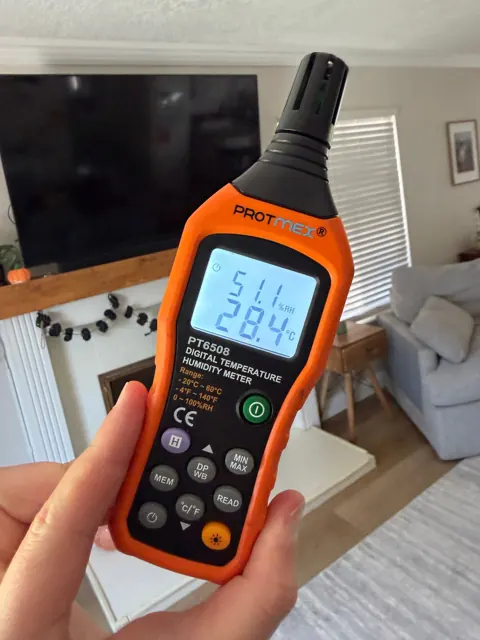
Riverside is inland and much hotter and drier than the coast, so mold problems usually come from water inside the building rather than outdoor humidity. Heavy AC use in summer makes condensation at ducts and air handlers a common source.
Riverside has historic homes near downtown, large post-war and newer single-family tracts, and growing multifamily communities.
Common moisture sources we look for
- AC condensate leaks and sweating ductwork
- Water heater and plumbing failures
- Roof leaks during winter storms
- Irrigation overspray against exterior walls
Riverside mold questions
Can my air conditioner cause mold?
Yes. AC systems remove moisture from the air, and if the condensate doesn't drain or a duct sweats, mold can grow nearby. An HVAC-focused inspection checks these areas.
My house is dry — why does it smell musty?
A musty smell usually points to a hidden leak or wet material somewhere. A hidden mold and odor investigation tracks down the source.
Areas served near Riverside
Along with Riverside, this location can help customers in nearby communities including Corona, Moreno Valley, Jurupa Valley, Norco, Eastvale. Call to confirm availability for your address.