




Mold inspection in Long Beach
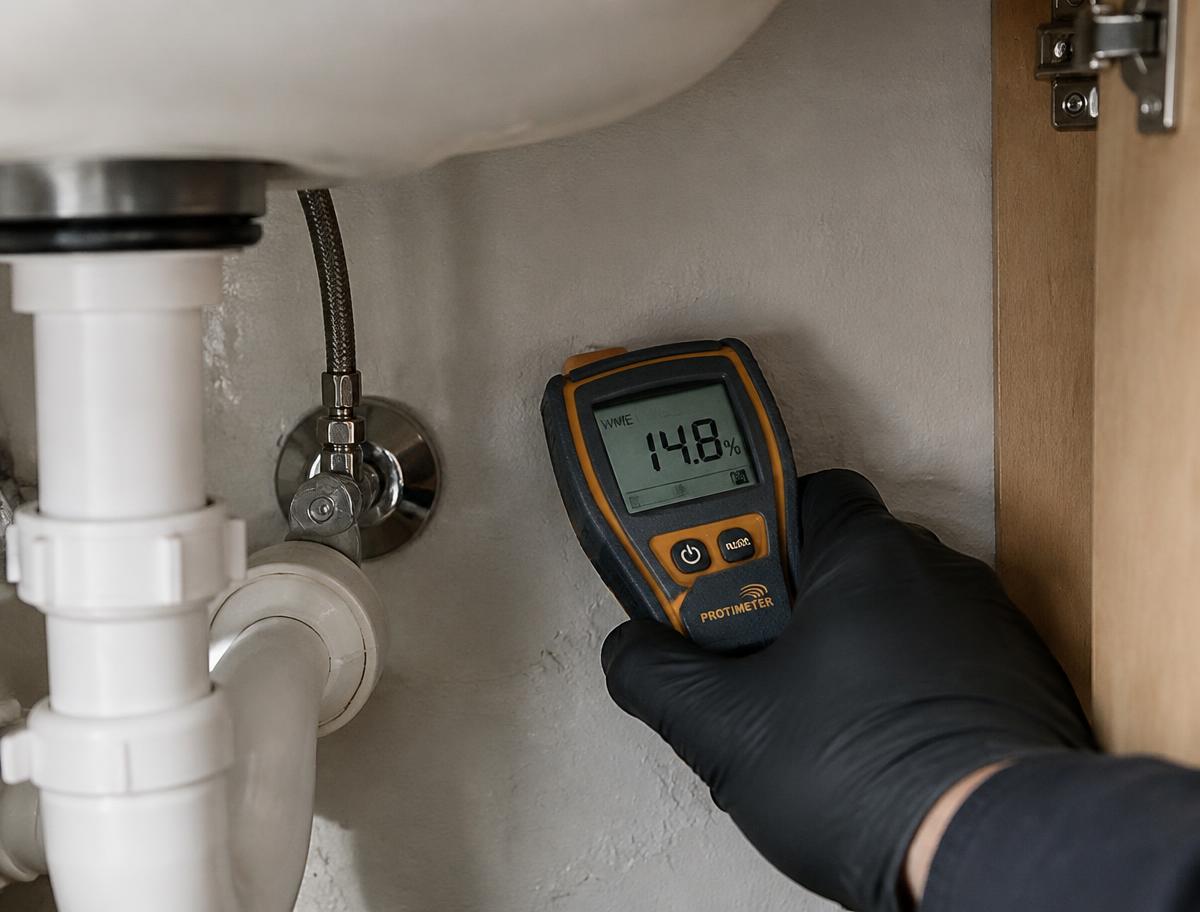
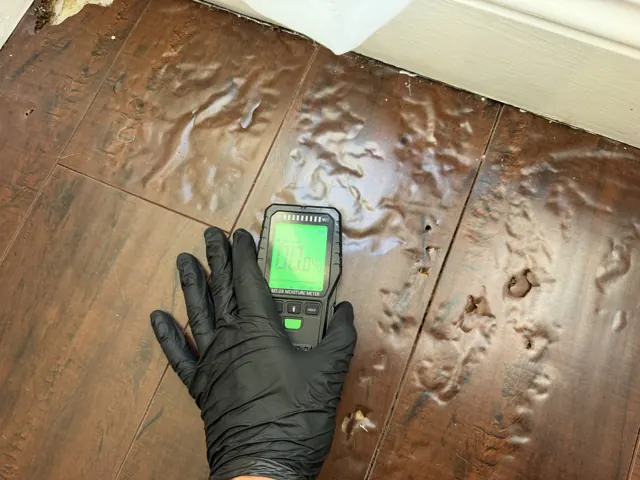
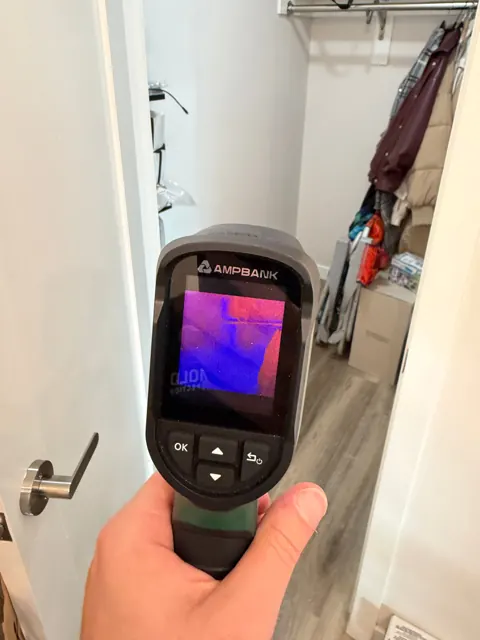
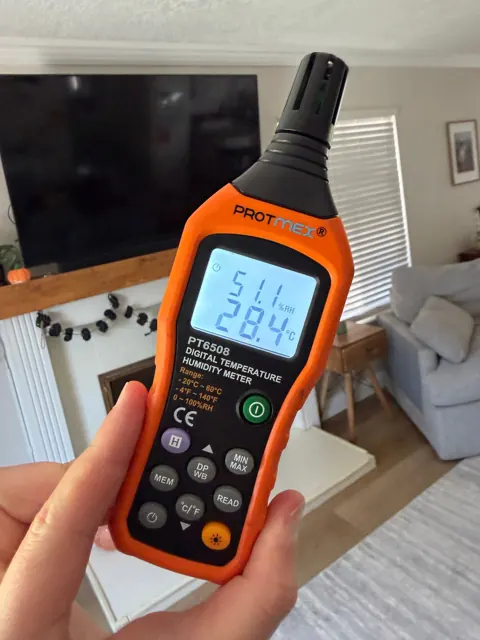
Older Long Beach buildings often have original plumbing and raised foundations. We check crawl spaces, under-sink areas, and bathrooms, and in apartment buildings we look for water coming from the unit above or next door. How our mold inspections work.
Mold testing in Long Beach
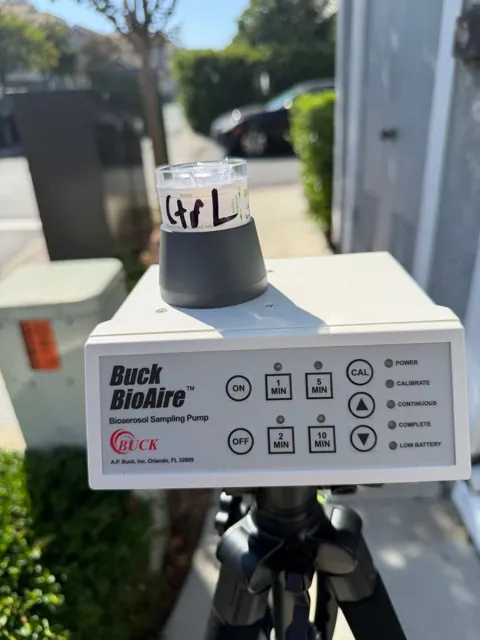
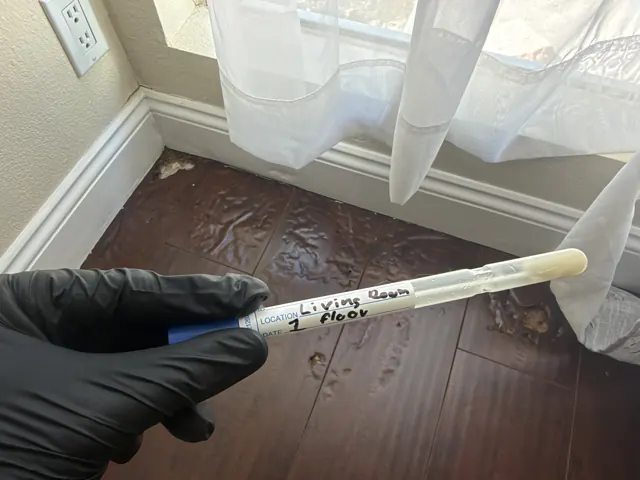
Marine air carries its own spores, so the outdoor sample is an important baseline. Indoor samples taken at the same time show whether a room has more than the outdoors. See our Long Beach mold testing overview (air and surface sampling) and post-remediation clearance testing.
Local conditions that affect mold in Long Beach
Long Beach is right on the coast, so marine air keeps humidity higher than inland areas, and older buildings near the water are prone to condensation.
Long Beach has historic Craftsman homes, beach-area cottages, and many older apartment and condo buildings.
Common moisture sources we look for
- Marine-air humidity and condensation
- Older plumbing in pre-war buildings
- Crawl space moisture in raised-foundation homes
- Unit-to-unit leaks in apartments and condos
Long Beach mold questions
My apartment ceiling has a stain from the unit above — what should I do?
Get the leak stopped first, then have the area checked for moisture and growth. Documentation helps when several units or an HOA are involved.
Do older Craftsman homes have more mold risk?
Not by default, but older plumbing, crawl spaces, and minimal ventilation can create conditions mold needs. An inspection checks those areas.
Areas served near Long Beach
Along with Long Beach, this location can help customers in nearby communities including Signal Hill, Lakewood, Seal Beach, Bellflower, Paramount. Call to confirm availability for your address.